Responsible travel
Use local guides, ask before photographing people, respect active places of worship and follow site-specific conservation guidance.

Start with a route, then reshape its pace and detail.
Understand Ethiopia by landscape, history and way of travelling.
Choose the rhythm and level of support that suits you.
Practical context before a private planning conversation.
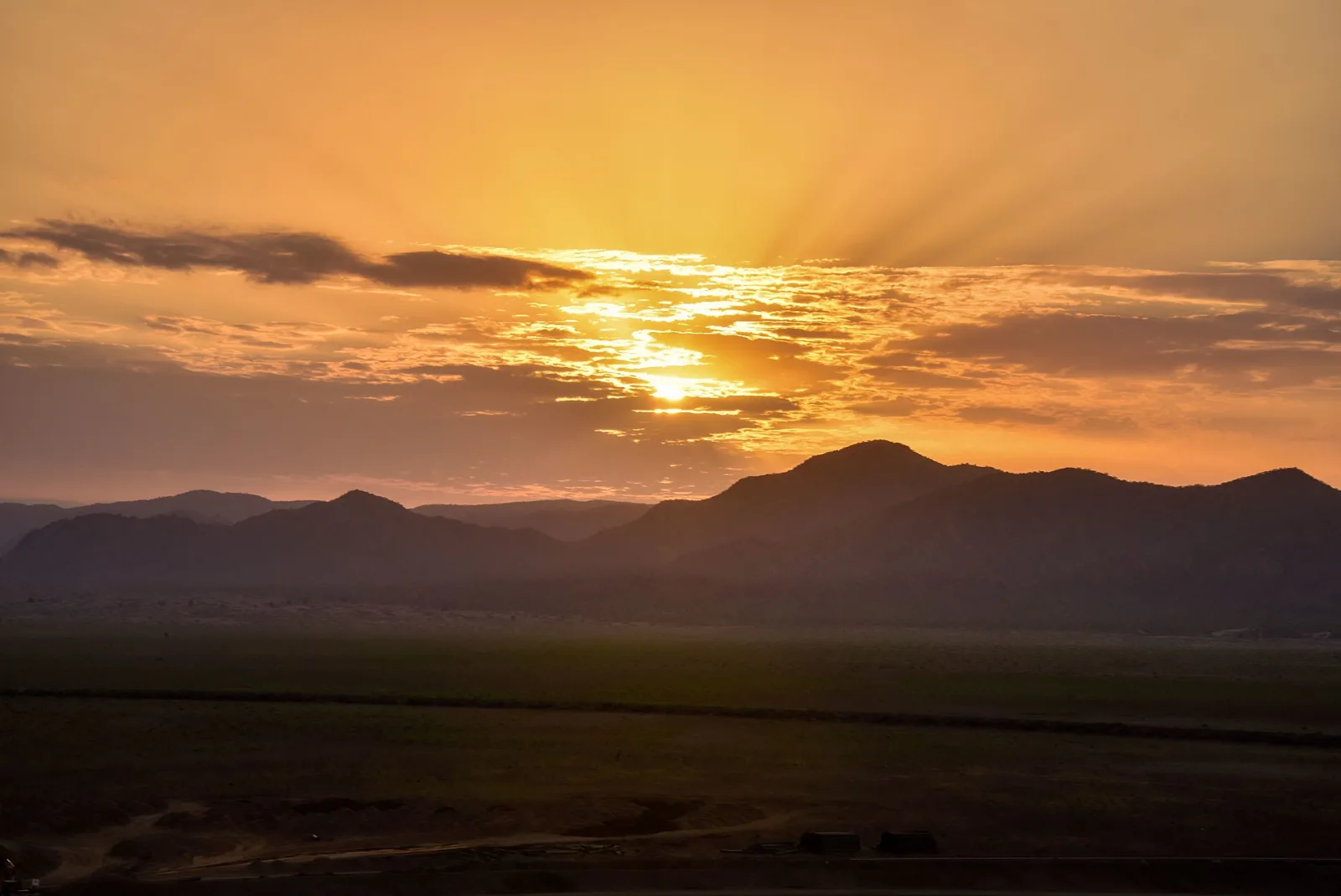
Southern Ethiopia · Hosted cultural landscape
Jinka is a practical and interpretive gateway to the Lower Omo, best used for context, rest and locally guided onward travel.
Significance and experience
The town functions as an administrative, commercial and transport centre for South Omo.
Seasonal context: Rainfall is highly local and unpaved roads can change quickly. Community calendars are never guaranteed.
Before adding it to a route
Use local guides, ask before photographing people, respect active places of worship and follow site-specific conservation guidance.
Early and late light is often most rewarding. Photography permissions are separate from admission and should always be requested directly.
Routes usually use private 4x4 vehicles, with flights to regional gateways where available. Driving times remain estimates until the operating week.
Character lodges and regional hotels are used where dependable. In remote areas, simpler rooms may be the practical and responsible choice.
Why spend time here
What gives the place its shape
An important place for context before community visits.
A working regional market whose rhythm changes by day.
A logistical base for park and community routes.
Journeys through Jinka
10 daysomo valley
Addis Ababa → Hawassa → Arba Minch → Nech Sar National Park → Konso → Jinka → Mago National Park → Turmi → Arba Minch → Addis Ababa
Quoted individually
Moderate11 daysomo valley
Addis Ababa → Arba Minch → Nech Sar National Park → Konso → Jinka → Mago National Park → Turmi → Jinka → Addis Ababa
Quoted individually
Moderate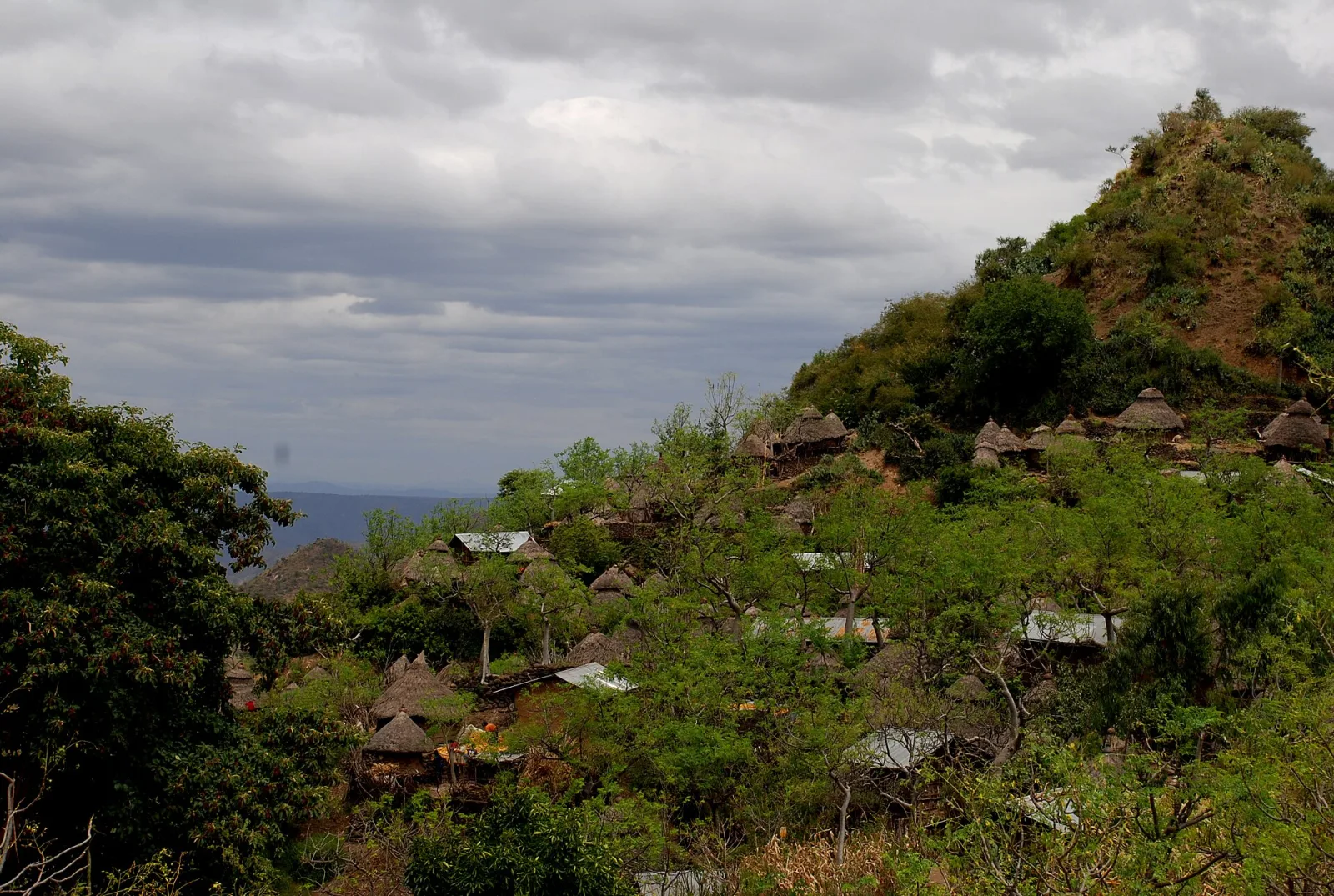 7 days
omo valley
Arba Minch → Nech Sar National Park → Konso → Jinka → Mago National Park → Turmi → Jinka
Quoted individually
ModerateContinue with care
Season, access and realistic travel time decide whether these places belong in the same itinerary.
southern ethiopia
Mago is a remote protected landscape of savannah, river and woodland whose practical role in an itinerary depends entirely on current access.
southern ethiopia
Turmi is a small Lower Omo base where meaningful travel depends on patient pacing, resident guides and visits agreed in advance.
southern ethiopia
The Lower Omo is not a single attraction but a vast cultural and river landscape that requires humility, context and relationships built locally.
Planning questions
One or two nights. The right pace depends on onward connections, season and your preferred depth.
Often June to September and November to February. Rainfall is highly local and unpaved roads can change quickly. Community calendars are never guaranteed.
Its place in a route depends on current access, transport, guiding and accommodation checks. Inclusion is not confirmed until those details are verified in writing.